Understanding Smart Home Technology
In today’s rapidly advancing digital world, smart home technology has emerged as a pivotal component, reshaping how we interact with our living spaces. The concept of a smart home refers to a residence equipped with devices that automate tasks traditionally performed by humans. These devices can be controlled remotely via other devices, such as smartphones and tablets, integrating advanced technologies to enhance the home's functionality and comfort. As this industry evolves, the smart home market is projected to grow significantly, and جهان اسمارت serves as an excellent resource for those looking to explore these innovative technologies.
What is Home Automation?
Home automation is the ability to control various systems and devices in your home through the internet. These systems can include lighting, heating, cooling, security, and entertainment. The technology allows homeowners to monitor and manage their homes effortlessly, creating an environment that caters to their needs and preferences. By integrating devices into a cohesive system, users can automate daily tasks, leading to increased efficiency and convenience.
Benefits of a Smart Home
Smart homes offer numerous advantages, enhancing both the quality of life and security of residents. Some of the key benefits include:
- Convenience: Automated routines save time and effort, allowing homeowners to control systems remotely.
- Energy Efficiency: Smart devices can monitor energy usage, helping to reduce waste and lower utility bills.
- Enhanced Security: Smart locks, cameras, and alarms improve home security, providing peace of mind for homeowners.
- Increased Property Value: Homes equipped with smart technology can attract higher resale values due to their modern features.
- Personalization: Automation allows for customized settings that adapt to individual lifestyles and preferences.
Essential Smart Devices to Start With
To begin your journey into smart home automation, consider starting with essential devices that can significantly enhance your everyday life. Key devices include:
- Smart Speakers: Devices like Amazon Echo or Google Home facilitate voice control of other smart devices.
- Smart Thermostats: These allow for efficient energy management by learning your temperature preferences.
- Smart Security Cameras: Monitor your home remotely with real-time video feeds and alerts.
- Smart Lights: Control your home’s lighting through smartphones for enhanced ambiance and energy savings.
- Smart Locks: Provide keyless entry and can be monitored through mobile apps.
Choosing the Right Smart Audio Systems
Selecting an audio system for your smart home can significantly enhance your entertainment experience. With a variety of options available, understanding these systems can transform your home into a multimedia paradise.
Comparing Leading Brands
When it comes to audio systems, several brands stand out in the market for their innovative technology and user-friendly interfaces. Popular choices include:
- Sonos: Known for its excellent sound quality and flexibility in system configuration.
- Bose: Offers advanced audio technology with a range of smart speakers and sound systems.
- Apple HomePod: Integrates seamlessly with Apple devices, delivering high-quality sound and smart home controls.
Installation Considerations
Before installing your smart audio system, consider factors such as the room’s acoustics, device compatibility, and the layout of your home. Ensuring that your system's components can communicate effectively will lead to a smoother installation process and a better overall experience.
Integrating with Other Smart Systems
An effective smart audio system does more than just play music; it integrates with other smart devices for a unified experience. For instance, connecting your audio system to smart lighting can allow you to synchronize lighting effects with your music, creating a dynamic environment for gatherings or relaxation.
Implementing Smart Security Measures
Ensuring your home is secure is a top priority for many homeowners. Implementing smart security measures can significantly enhance your home’s protection.
Types of Smart Locks and Their Features
Smart locks come in various forms, each offering unique features. Here are some types to consider:
- Keypad Locks: Allow entry via a numeric code, eliminating the need for keys.
- Biometric Locks: Use fingerprint or facial recognition technology for secure access.
- Remote-Controlled Locks: Enable locking and unlocking from your smartphone, adding convenience.
Facial Recognition Technology Explained
Facial recognition technology in smart locks provides a high level of security by allowing only identified individuals access. This technology uses advanced algorithms to analyze facial features, making it difficult for unauthorized users to gain entry.
Best Practices for Home Security
To optimize your home security, consider these best practices:
- Regularly Update Passwords: Change codes and passwords periodically to maintain security.
- Monitor Access: Use apps that provide logs of who entered and exited your home.
- Use Multiple Security Measures: Combine smart locks with cameras and alarms for comprehensive protection.
Enhancing Your Home Experience with Automation
Creating a comfortable, efficient living space is one of the main goals of home automation. Smart devices allow homeowners to tailor their environments to fit their lifestyles.
Smart Lighting Control Strategies
Smart lighting systems provide the ability to control brightness and color from your device. Consider setting schedules for lights to turn on and off, or using motion sensors to enhance security when you are away.
Creating a Comfortable Environment
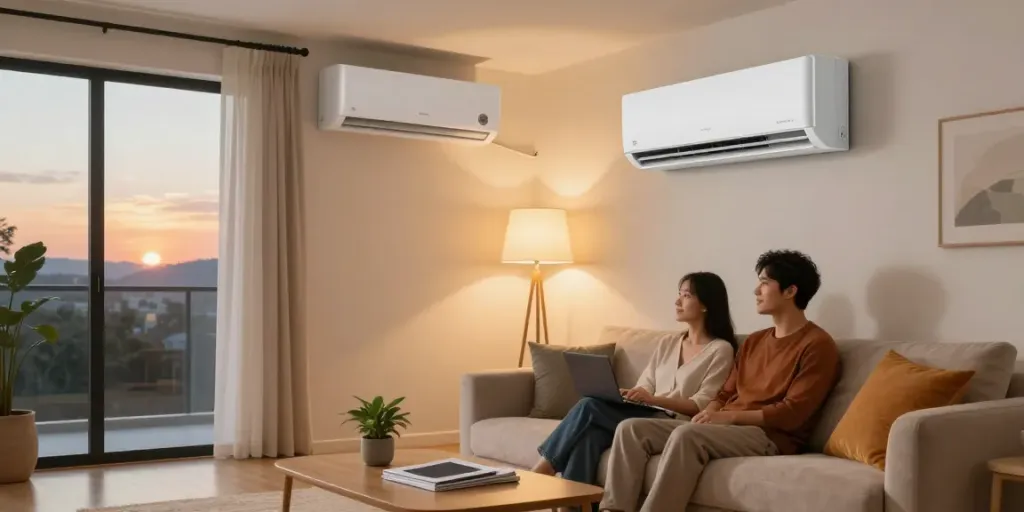
In addition to lighting, smart thermostats and air conditioning units can help maintain a comfortable temperature. By using sensors, these systems can adjust based on occupancy, ensuring energy efficiency without sacrificing comfort.
Integrating Entertainment Systems Seamlessly
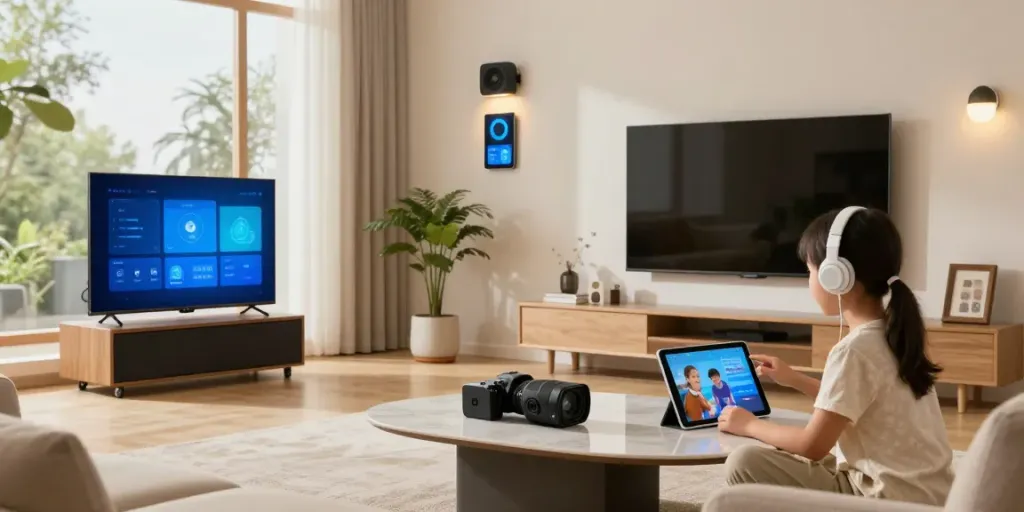
Connecting your entertainment system with smart devices can revolutionize how you enjoy media. Stream music, movies, and games seamlessly across devices, creating an immersive experience throughout your home.
Future Trends in Smart Home Technology
As we look toward the future, smart home technology continues to evolve, promising exciting innovations that will further enhance home automation.
What to Expect by 2026 and Beyond
In the coming years, we can anticipate advancements in artificial intelligence, machine learning, and IoT (Internet of Things) devices. Homes will become even smarter, predicting user preferences and adjusting systems automatically.
Emerging Technologies in Home Automation
Cutting-edge technologies like augmented reality (AR) and virtual reality (VR) are set to play significant roles in smart homes, allowing users to visualize changes and customize their setups more interactively.
How to Stay Updated with Innovations
Keeping abreast of these trends is essential. Following industry news, subscribing to smart home blogs, and participating in community forums can help you stay informed about the latest innovations and best practices.