Understanding the Mini Split AC System
The mini split AC system has become a pivotal player in modern heating and cooling solutions, offering unparalleled flexibility and efficiency. Unlike traditional HVAC systems that require extensive ductwork, mini splits provide targeted temperature control for individual rooms or zones, making them suitable for a variety of applications from single-family homes to commercial spaces. As homeowners increasingly prioritize energy efficiency and climate control, the popularity of these systems continues to rise. Whether you're renovating your home or looking to improve your office's climate, understanding the functionality and components of a mini split AC system is crucial. When exploring options, mini split ac system offer innovative solutions designed for modern living.
What is a Mini Split AC System?
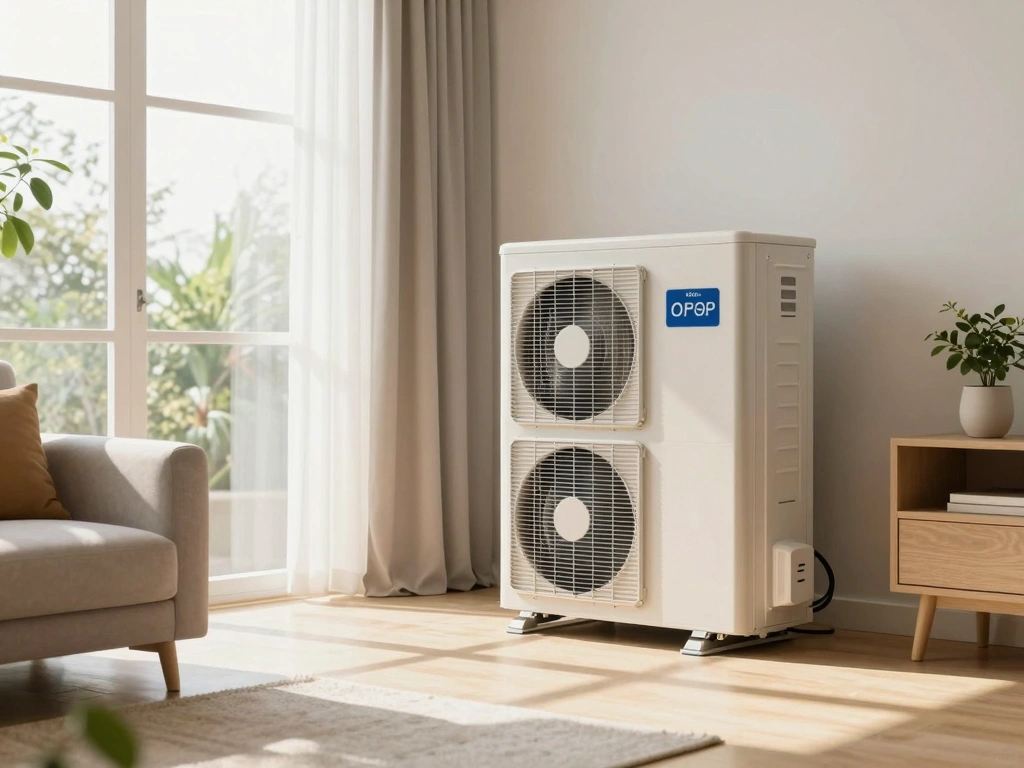
A mini split AC system, also known as a ductless mini-split system, is a compact and efficient heating and cooling solution. It comprises two main components: an outdoor compressor and one or more indoor air-handling units. This design allows homeowners to control the temperature in specific areas of their homes without the need for ductwork. Mini split systems are especially advantageous in scenarios where conventional air conditioning systems are impractical or too expensive to install.
Components of a Mini Split AC System
Understanding the various components of a mini split AC system is essential for grasping its overall functionality. Here are the primary components:
- Outdoor Unit: This is where the compressor and condenser are housed. It is responsible for dissipating heat from the refrigerant used in the cooling process.
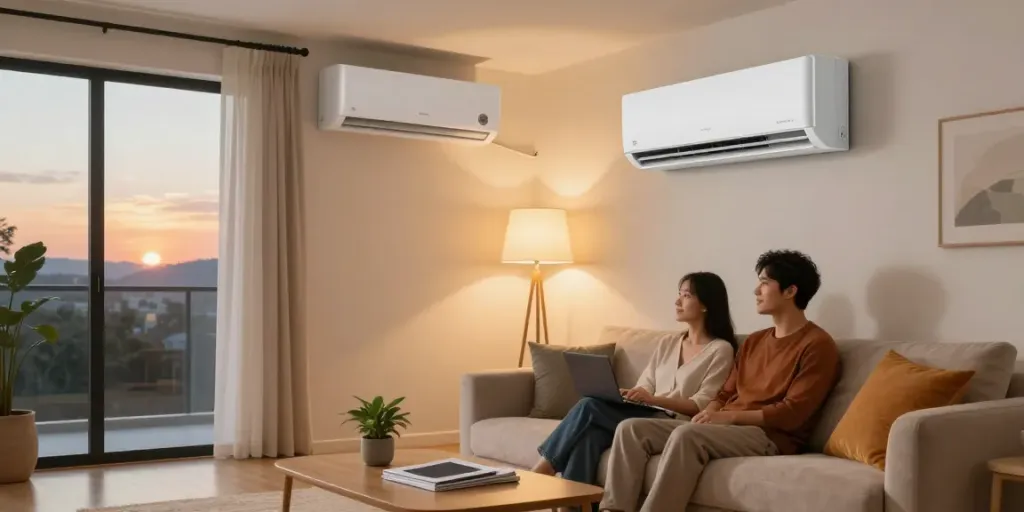
- Indoor Unit: These units are installed in the spaces to be conditioned. Each indoor unit can independently control temperature, allowing for zoned heating and cooling.
- Refrigerant Lines: These insulated pipes connect the indoor and outdoor units, allowing the refrigerant to flow between them.
- Remote Control: Most mini splits come with a remote control, providing users with convenient access to temperature settings and modes.
Benefits of Ductless Technology
Mini split AC systems come with a myriad of benefits that make them a desirable option for both residential and commercial settings:
- Energy Efficiency: Mini splits are designed to minimize energy consumption while providing effective temperature control, often boasting higher SEER (Seasonal Energy Efficiency Ratio) ratings than traditional units.
- Flexibility: These systems allow for multi-zone heating and cooling, enabling different areas of a home or office to be controlled independently.
- Easy Installation: The installation process for mini splits is generally less invasive compared to traditional systems, requiring only a small hole for the refrigerant lines.
- Quiet Operation: Most mini split systems operate quietly, making them ideal for bedrooms and offices where noise can be a distraction.
Choosing the Right Mini Split AC System for Your Home
When selecting a mini split AC system, several factors must be considered to ensure optimal performance and comfort. The varied options available on the market can be overwhelming, so it's essential to weigh each factor carefully.
Factors to Consider Before Installation
Before installing a mini split system, consider the following:
- Size of the Space: The size of the room or area to be cooled or heated determines the BTU (British Thermal Units) rating required for effective temperature control.
- Number of Zones: Decide if you need a single zone or multi-zone system based on the layout of your home.
- Energy Efficiency: Look for units with high ENERGY STAR ratings for better energy savings.
- Installation Costs: Consider the costs associated with installation, which may vary based on complexity and the number of indoor units.
Comparing BTU Ratings for Different Spaces
BTU ratings are vital when selecting a mini split system, as they measure the system's cooling or heating capacity. A unit with too low a BTU rating will struggle to maintain the desired temperature, while one with too high a rating may lead to energy waste and discomfort.
Here’s a simple guideline for BTU requirements based on room size:
- Small rooms (up to 300 sq. ft.): 6,000 - 8,000 BTUs
- Medium rooms (300 - 600 sq. ft.): 9,000 - 12,000 BTUs
- Large rooms (600 - 1,000 sq. ft.): 12,000 - 20,000 BTUs
Popular Brands and Models in 2026
As of 2026, several brands are leading the way in mini split technology, each offering a variety of models tailored to different needs:
- Mitsubishi Electric: Known for high efficiency and reliability, Mitsubishi provides a wide range of BTU options.
- LG: LG offers stylish designs with smart technology features.
- Pioneer: A popular choice for budget-conscious consumers without sacrificing quality.
- Friedrich: Known for robust construction and performance in extreme climates.
Installation Best Practices for Mini Split Systems
Proper installation is crucial for maximizing the performance of your mini split AC system. Whether you're opting for a DIY approach or hiring a professional, following best practices will ensure your system functions efficiently.
Step-by-Step Installation Guide
- Choose the locations for the indoor and outdoor units, ensuring they have enough space for proper airflow.
- Install the mounting brackets for the indoor unit, ensuring they are level.
- Drill a hole through the wall for the refrigerant lines, ensuring proper insulation.
- Connect the refrigerant lines, ensuring all connections are secure to prevent leaks.
- Mount the indoor unit and connect it to the power supply.
- Install the outdoor unit, ensuring it is appropriately leveled and secured.
- Connect the outdoor unit to the indoor unit following the manufacturer's instructions.
- Test the system to ensure it operates correctly.
Common Installation Mistakes to Avoid
To ensure your installation goes smoothly, avoid these common pitfalls:
- Improper placement of the indoor unit, leading to airflow issues.
- Neglecting to check the refrigerant levels before starting the system.
- Ignoring local codes and regulations regarding installation.
- Failing to insulate refrigerant lines properly, leading to energy loss.
Hiring a Professional vs. DIY Installation
While DIY installation may save money upfront, hiring a professional can offer peace of mind and guarantee a properly functioning system. Professionals bring expertise, ensuring compliance with safety regulations, and can help troubleshoot issues that may arise during installation.
Maintenance and Care for Mini Split AC Systems
To ensure your mini split AC system remains in optimal condition, regular maintenance is essential. Proper care can extend the lifespan of your system and improve its efficiency.
Routine Maintenance Tips
- Clean or replace filters: This should be done every month or two during peak usage seasons.
- Inspect the outdoor unit: Ensure there are no obstructions or debris around the unit that may hinder airflow.
- Check the refrigerant levels: Have a professional check and refill refrigerant levels as necessary.
- Schedule annual maintenance: Consider hiring a professional for a thorough inspection and service annually.
Signs Your Mini Split Needs Repairs
Be alert to the following signs that indicate your mini split AC system may require repairs:
- Inconsistent temperature control in rooms.
- Unusual noises during operation.
- High energy bills compared to previous usage.
- Visible leaks around the indoor or outdoor units.
Extending the Lifespan of Your System
To maximize the lifespan of your mini split system, implement these strategies:
- Regularly clean or replace air filters to maintain airflow.
- Avoid overworking the system during extreme temperature conditions.
- Ensure professional servicing is performed regularly.
- Monitor performance and address any issues promptly to avoid further damage.
Cost and Efficiency of Mini Split AC Systems
Understanding the cost and efficiency of mini split AC systems is vital for budgeting and planning your HVAC needs. Here’s a comprehensive breakdown to help you make informed decisions.
Typical Installation Costs and Budgeting
The installation cost of a mini split system can vary widely depending on several factors, including the number of zones and brand selected. On average, homeowners can expect to pay between $3,000 to $5,000 for a standard installation. Budgeting for potential additional costs, such as electrical upgrades and permits, is also wise.
Energy Efficiency Ratings Explained
Energy efficiency ratings are critical when assessing the operating costs of mini split systems. SEER ratings, which measure overall efficiency, are essential to consider. A higher SEER rating indicates a more efficient system, ultimately leading to lower energy bills.
Understanding Long-Term Savings with Mini Splits
Investing in a mini split AC system can result in significant long-term savings through lower energy bills and reduced maintenance costs. Ductless systems typically lose less energy compared to ducted systems, which can lose up to 30% of energy through leaks in the ductwork.
What are the downsides of a mini split AC system?
While mini split systems offer numerous advantages, they also come with some drawbacks:
- Higher upfront costs: The initial investment can be significant, especially for multi-zone setups.
- Maintenance requirements: Homeowners must be diligent about filter cleaning and other maintenance tasks.
- Outdoor unit visibility: Some people find the outdoor units unattractive, potentially impacting curb appeal.
What is the typical cost of installing a mini split system?
As mentioned previously, the installation cost ranges from approximately $3,000 to $5,000, with variations based on the complexity of the installation and the brand of the system. It’s advisable to obtain multiple quotes from experienced HVAC contractors to ensure you’re getting a fair price.
What is a mini split AC system?
In essence, a mini split AC system is a powerful, ductless climate control solution that delivers efficient cooling and heating on demand, perfect for homes and businesses looking to optimize their comfort year-round.
Why is my electric bill so high with mini split?
If you notice a spike in energy costs, it may be due to various factors, including inadequate insulation, incorrect unit sizing, or the need for maintenance. Regular checks and ensuring that your system is appropriately sized for your space can help mitigate these costs.