
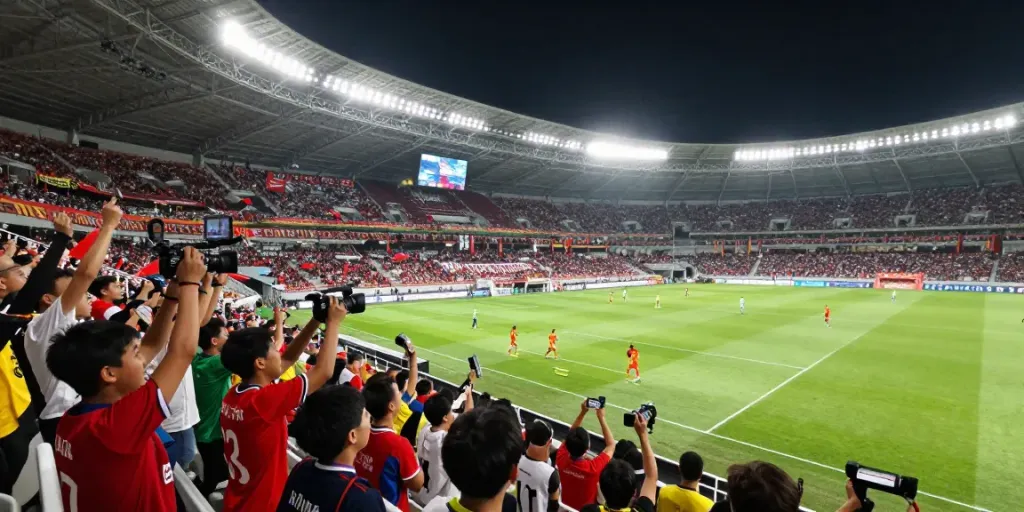
Understanding Thai Football Dynamics
Thai football has dynamically evolved over the years, becoming a vibrant part of both local culture and the sporting landscape in Southeast Asia. In the past few decades, the sport has seen substantial growth, marked by increasing popularity, improved infrastructure, and a more professional approach to club management. This evolution has not only transformed the local leagues but has also had a significant impact on the national team’s performance on the international stage. When exploring options, ข่าวฟุตบอลไทย provides comprehensive insights into this captivating realm, detailing transfers, player developments, and league standings.
Historical Context of Thai Football
To appreciate the current state of Thai football, it’s essential to understand its historical context. Football was introduced in Thailand in the late 19th century, but it wasn't until the 1940s that organized competitions began to take shape. The establishment of the Football Association of Thailand in 1916 played a pivotal role in promoting the sport, leading to the formation of the Thai League in the 1990s. This league transformed into a professional entity, leading to significant improvements in player quality and technical standards.
Current Landscape of Thai Football
The landscape of Thai football today is characterized by a competitive league structure, with the Thai League 1 being the premier division. Clubs like Buriram United and Muangthong United stand out as powerhouses, often dominating the domestic scene and competing fervently in regional tournaments. The emergence of local talents, paired with strategic imports from other countries, has propelled the league's status, drawing attention from international scouts and clubs.
Key Players to Watch in 2026
As the 2026 season approaches, several players are poised to make significant impacts in Thai football. Talents such as Supachok Sarachat and the young midfielder Kritphak Saengsawat are expected to be pivotal for their clubs and the national team. Their development will be closely monitored by fans and analysts alike, especially considering the increasing international exposure they’ll receive.
The Importance of Local Leagues
Local leagues are the backbone of Thai football, serving not just as platforms for elite competition but also as breeding grounds for future stars. The structure and success of these leagues directly influence the national team's strength and performance.
Structure of Thai League Football
The Thai League system is structured into multiple tiers, promoting a competitive environment where clubs from lower divisions can aspire to reach the top. The setup allows for promotion and relegation, ensuring that clubs are incentivized to improve continuously. The league's format also encourages fan engagement, with clubs often forming strong local identities that resonate with their communities.
Major Clubs and Their Rivalries
Rivalries play a significant role in Thai football culture. Matches between teams like Buriram United and Muangthong United are not just games; they are events that draw massive crowds and media attention. These rivalries foster a deep sense of pride and passion among supporters, creating an electrifying atmosphere in stadiums that enhances the experience of the players and fans alike.
Impact on National Team Performance
The performance of the national team is deeply intertwined with the local leagues' structure and quality. A robust league system that develops homegrown talent ensures that the national team can field competitive squads in international competitions. Recent successes in regional tournaments have reflected the positive impact of league developments, showcasing the talents nurtured in local clubs.
Latest Transfer News and Analysis
The transfer market in Thai football has become increasingly active, with clubs recognizing the importance of strategic acquisitions to bolster their squads. Notable transfers and player movements can have a profound impact on league dynamics and national team selections.
Notable Transfers in Thai Football
In the recent transfer window, clubs have made significant moves, including BG Pathum United's acquisition of Kritphak Saengsawat, a promising midfielder known for his dynamic play. This reflects a trend where teams focus on signing young talents who can make an immediate impact while also developing for the future.
Influence of Foreign Players in Local Leagues
The influx of foreign players into the Thai League has been a double-edged sword. On one hand, it raises the competitive level and provides local players with valuable experience. However, it can also limit opportunities for homegrown talent. Striking a balance between foreign imports and local player development is crucial for the long-term health of Thai football.
Evaluating Transfer Strategies
Clubs must evaluate their transfer strategies carefully, considering not only immediate performance needs but also future potential. Successful clubs often prioritize youth development alongside smart acquisitions, ensuring a steady pipeline of talent that can sustain competitive success over the years.
Fan Engagement and Community Involvement
Engaging fans and fostering community involvement is vital for the growth of Thai football. Clubs that successfully build connections with their supporter base tend to enjoy greater loyalty and financial support.
Role of Fans in Thai Football Culture
Fans are the lifeblood of football. In Thailand, the passion for the game is palpable, with supporters often creating a vibrant atmosphere at matches. Clubs that actively involve fans in decision-making and club activities tend to cultivate a sense of belonging and community.
Promotional Events and Activities
Clubs often hold promotional events to engage fans, such as open training sessions, meet-and-greets with players, and community outreach programs. These activities not only foster goodwill but also contribute to building a positive image of the club within the community.
Social Media's Influence on Fan Interaction
Social media has revolutionized the way fans interact with clubs and players. Clubs utilize platforms like Facebook and Instagram to keep fans updated and engaged. This has created a two-way street where fans can express their thoughts and feelings about club decisions, which in turn influences management strategies.
Future Trends in Thai Football
The future of Thai football holds promise, with emerging trends shaping the landscape of the sport in the country. Keeping an eye on these trends is essential for fans, clubs, and stakeholders alike.
Emerging Talents to Follow
As the league continues to evolve, numerous emerging talents are set to make their mark. Players like Suphanat Mueanta are expected to step into more prominent roles, showcasing the next generation of Thai footballers who could become household names.
Technological Advancements in Training
Clubs are increasingly adopting advanced training technologies and analytics to improve player performance. This includes the use of data analytics for player evaluation and in-game decision-making, allowing clubs to optimize their strategies and training regimens.
Predictions for Thai Football in 2026
Looking ahead to 2026, the potential for Thai football remains vast. With a growing interest in the sport and continued investment at both club and national levels, the landscape is set for expansion. Expect to see stronger international performances and a professional league that can attract global attention.
What are the latest developments in Thai football?
Recent developments have seen a flurry of activity in the transfer market, with various clubs making strategic moves to enhance their squads for the new season. The trend towards signing younger talents alongside experienced players is expected to continue, reflecting a forward-thinking approach.
How do local leagues affect the performance of the national team?
A stronger local league correlates with better national team performance as it allows for the development of homegrown talent who are battle-tested in competitive environments. The recent successes of the national team in regional competitions demonstrate this connection.
What are the key rivalries in Thai football?
Rivalries like that of Buriram United versus Muangthong United create thrilling matchups that draw large crowds and intense media coverage. These games are essential for building a league culture that fosters competition and excitement.
Who are the top players in the Thai league to watch?
Stars such as Teerasil Dangda and Chanathip Songkrasin continue to shine, making them key players to watch as they influence their clubs and national team's success.
What is the impact of international players on Thai football?
International players bring experience and skills that elevate the competitiveness of the league. However, clubs must balance this influx to ensure local players also receive ample opportunities to develop and contribute.