Understanding the AI Data Center Landscape
The evolution of technology has led to the emergence of specialized environments known as AI data center, designed specifically to cater to the demands of artificial intelligence applications. These data centers not only facilitate the training and deployment of AI models but also integrate sophisticated infrastructure that effectively manages high-density computing tasks. As industries increasingly pivot towards AI-driven solutions, understanding the components and significance of these facilities becomes crucial.
What is an AI Data Center?
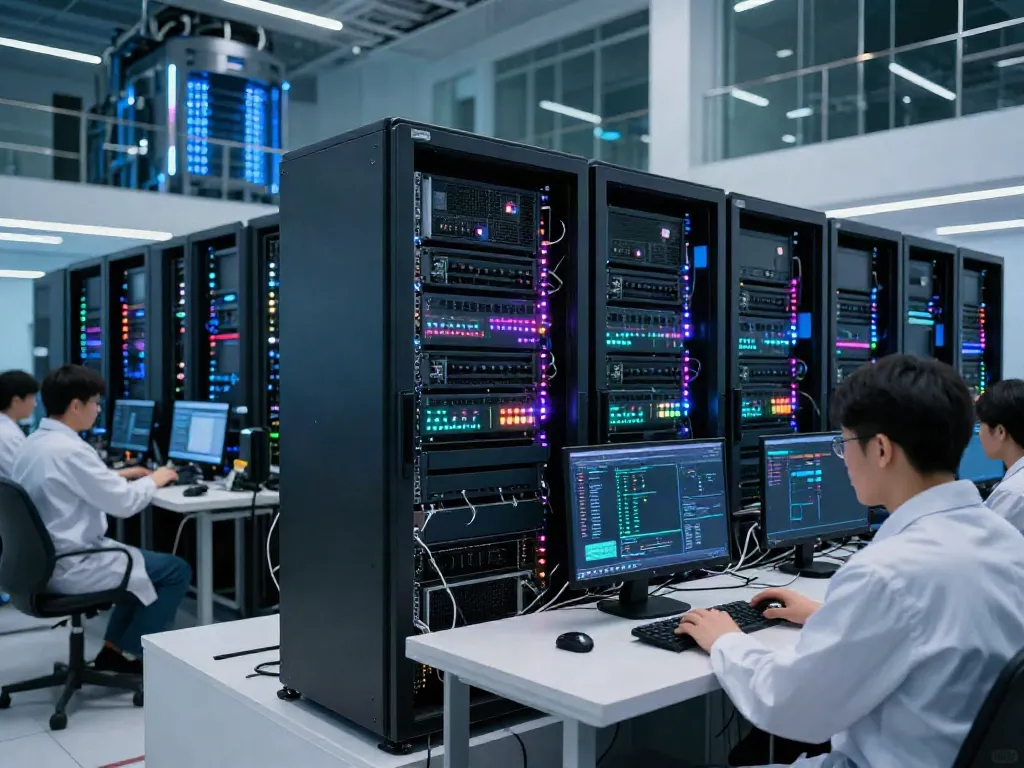
An AI data center is a facility equipped with the specific IT infrastructure necessary for the development, training, and deployment of artificial intelligence workloads. Unlike traditional data centers that typically focus on general computing tasks, AI data centers feature specialized hardware such as Graphics Processing Units (GPUs) and tensor processing units (TPUs) that are optimized for machine learning and deep learning operations.
These centers are designed to handle massive amounts of data and deliver high-speed processing, ensuring that AI applications run efficiently. Given the unique demands of AI workloads, AI data centers often include advanced network infrastructure, specialized cooling systems, and robust power management solutions.
Key Components of AI Data Centers
- High-Performance Computing Hardware: The backbone of an AI data center, this includes GPUs and TPUs that can process parallel tasks efficiently.
- Storage Solutions: Typically characterized by immense capacity and speed, storage solutions for AI data centers need to accommodate large datasets for training models.
- Networking Infrastructure: High bandwidth and low latency are crucial for the rapid transfer of data between servers and storage devices.
- Power Management Systems: Effective power infrastructure is vital, as AI operations can consume substantial resources, necessitating advanced monitoring and management systems.
- Cooling Technologies: Due to the intense heat generated by high-density computing, innovative cooling techniques are essential to maintain optimal operational conditions.
The Importance of Power Infrastructure
Power infrastructure holds paramount importance in the functioning of AI data centers. The demand for energy rises sharply as computational tasks become more intensive, making it essential to ensure a reliable and scalable power supply. AI workloads can vary dramatically, with peaks and troughs in demand, thus necessitating dynamic power management solutions that can adapt to changing workloads.
In an era where the AI Token Economy is gaining momentum, understanding how power consumption aligns with AI operations is vital. AI data centers must leverage sustainable energy solutions and optimize usage to minimize their environmental impact while maintaining operational efficiency.
How AI Data Centers Are Transforming Industries
As businesses across various sectors adopt artificial intelligence, AI data centers are becoming the backbone of modern enterprise operations. The ability to process and analyze vast amounts of data in real-time opens up new avenues for innovation and efficiency.
Use Cases in Machine Learning and Deep Learning
AI data centers are foundational for machine learning and deep learning applications. Industries such as healthcare utilize these facilities to process medical images, enhance diagnostic accuracy, and develop personalized treatment plans through predictive analytics. In finance, algorithms powered by AI data centers are employed for fraud detection and algorithmic trading, unlocking insights that were previously unattainable.
Impact on Cloud Computing and Data Management
The integration of AI data centers with cloud computing is reshaping data management strategies. Cloud service providers are increasingly focusing on AI capabilities, enabling organizations to access powerful computing resources without the need to invest heavily in physical infrastructure. This shift allows for scalable and elastic computing environments, where companies can dynamically allocate resources based on demand.
AI Data Centers vs. Traditional Data Centers
While both AI data centers and traditional data centers serve as repositories for data and computing resources, they differ significantly in design and operation. Traditional data centers prioritize storage and standard computing tasks, often relying on CPUs to perform sequential processing. In contrast, AI data centers focus on high-density GPU computing, making them adept at handling tasks that require simultaneous processing of large datasets, such as neural network training.
These differences highlight the need for specialized infrastructure in AI data centers, which includes enhanced power and cooling systems that can accommodate the unique requirements of AI workloads.
Challenges and Solutions in Building AI Data Centers
Constructing and operating AI data centers involves navigating a range of challenges, from power and cooling needs to scalability and security. Understanding these challenges helps organizations design more effective AI infrastructures.
Power and Cooling Needs for High-Density Computing
The power demands of AI data centers are substantial due to the energy-intensive nature of GPU compute tasks. This necessitates robust power management systems capable of ensuring consistent delivery without interruption. Similarly, cooling solutions must be adequately advanced to mitigate the heat generated by high-density servers. Utilizing techniques such as liquid cooling and advanced airflow management can significantly enhance energy efficiency and system reliability.
Addressing Scalability and Flexibility Issues
As AI applications evolve, so too must the infrastructure that supports them. Scalability is a significant challenge, as businesses must be able to expand their computing resources to meet growing demands. This can be achieved through modular designs that allow for incremental upgrades or expansions, ensuring flexibility while managing costs effectively.
Furthermore, leveraging cloud-based solutions can provide the necessary scalability by allowing organizations to increase or decrease computational capacity based on real-time requirements.
Security Challenges Unique to AI Data Centers
The complex architectures of AI data centers introduce unique security challenges. With vast quantities of sensitive data being processed, organizations must implement robust security measures to protect against breaches and cyber threats. This includes deploying advanced encryption techniques, strict access controls, and continuous monitoring of network activities to identify potential vulnerabilities.
Best Practices for Optimizing AI Data Center Performance
To leverage the full potential of AI data centers, organizations should adopt best practices that enhance performance, efficiency, and sustainability. These practices can help maximize the return on investment in AI infrastructure.
Effective Resource Management Strategies
Efficient resource management entails optimizing both computing and energy resources to reduce waste and improve performance. Organizations can utilize machine learning algorithms to predict resource utilization patterns, thereby enhancing scheduling and resource allocation.
Additionally, employing virtualization technologies can enable multiple workloads to share resources more effectively, reducing the overall energy footprint and increasing utilization rates.
Monitoring Energy Consumption and Efficiency
Implementing monitoring tools that provide real-time insights into energy consumption is vital for optimizing performance. Organizations should establish metrics for energy efficiency and regularly analyze consumption patterns to identify potential areas for improvement. Metrics such as Power Usage Effectiveness (PUE) can be beneficial in assessing the efficiency of power usage within the data center.
Leveraging Advanced Technologies for Performance
The integration of advanced technologies, such as Artificial Intelligence and machine learning, into the management of AI data centers can significantly enhance performance. These technologies can be used to optimize power distribution, cooling systems, and workload scheduling, leading to improved operational efficiency and reduced costs.
The Future of AI Data Centers: Trends and Innovations for 2026
As AI technology continues to advance, so too does the infrastructure that supports it. Understanding emerging trends and technologies will be crucial for organizations looking to stay competitive in the AI landscape.
Emerging Technologies Influencing Infrastructure
2026 is poised to see the rise of several innovative technologies affecting AI data center operations. Quantum computing, for example, is expected to revolutionize how complex calculations are performed, and AI data centers must adapt to these changes by incorporating quantum-ready infrastructure.
Furthermore, the ongoing evolution of edge computing will alter how data is processed and stored, necessitating a more distributed approach to infrastructure management that allows for local processing and reduced latency.
Global Trends in AI Data Center Design
Design philosophies for AI data centers are increasingly focusing on sustainability and efficiency. As global awareness grows regarding environmental impacts, future AI data centers are likely to incorporate renewable energy sources and green technologies, such as energy-efficient cooling systems and optimized power management practices.
Organizations will also need to consider how to design infrastructures that are resilient to climate change, ensuring uninterrupted operations in the face of extreme weather events.
The Role of Sustainability in Future Developments
Sustainability is becoming a central theme in the development of AI data centers. Companies are under increasing pressure from stakeholders to demonstrate environmental responsibility. The future of AI data centers will likely include initiatives aimed at reducing carbon footprints, such as utilizing solar power, optimizing energy consumption, and incorporating recycled materials in construction.
What are the Key Benefits of AI Data Centers?
AI data centers offer numerous benefits, such as improved computational power, greater efficiency in data processing, and enhanced capabilities for machine learning applications. They enable organizations to harness the full potential of AI technologies, leading to innovations that drive business growth and operational efficiency.
Where are Most AI Data Centers Located in the US?
Geographically, AI data centers are concentrated in regions with robust infrastructure and favorable energy costs. States such as Virginia, Texas, and California are home to many AI data centers, supported by access to renewable energy sources and proximity to major technology hubs.
How Do AI Data Centers Contribute to Environmental Goals?
By adopting energy-efficient technologies and leveraging renewable energy sources, AI data centers have the potential to support broader environmental goals. Their capability to optimize energy usage, combined with a focus on sustainability, positions them as key players in the global effort to reduce carbon emissions and minimize ecological impact.