Introduction to Custom Stainless Steel Parts
Custom stainless steel parts play a pivotal role in modern manufacturing, marrying the strength and durability of stainless steel with precise design and functionality. As industries evolve, the demand for tailored components continues to grow, thanks to advancements in CNC (Computer Numerical Control) machining technology. Companies like Honscn, with nearly two decades of expertise, offer a competitive edge through their commitment to quality and precision. For those looking to explore options in this space, custom stainless steel parts are available, ensuring specifications are met with advanced machining techniques.
1. Definition and Importance in Modern Manufacturing
Custom stainless steel parts are components specifically designed and manufactured from various grades of stainless steel to meet the unique needs of a project or application. These parts are vital across multiple sectors—ranging from medical to aerospace—due to their superior mechanical properties, corrosion resistance, and excellent fabrication capabilities. Stainless steel's combination of durability and aesthetic appeal further enhances its desirability in custom manufacturing.
2. Key Materials Used in CNC Machining
The most commonly used grades of stainless steel in CNC machining include:
- 304 Stainless Steel: Known for its good corrosion resistance and weldability, it is ideal for a wide range of applications.
- 316 Stainless Steel: Offers enhanced corrosion resistance, particularly against acids and chlorides, often used in marine environments.
- 410 Stainless Steel: A heat-treatable stainless steel when higher strength is required, commonly used for kitchen cutlery and other tools.
- 420 Stainless Steel: Known for its hardness and wear resistance, making it suitable for items like surgical instruments.
3. Overview of CNC Machining Technologies
CNC machining uses computer-controlled tools to manufacture components with high precision. Key technologies include:
- CNC Milling: A process of cutting various materials with rotating tools, particularly useful for complex geometries.
- CNC Turning: Involves rotating a part against a stationary cutting tool, ideal for producing cylindrical shapes.
- Wire EDM (Electrical Discharge Machining): A technique that utilizes electrical discharges to cut electrically conductive materials, excellent for intricate designs.
Advanced CNC Machining Techniques
1. Precision Engineering with CAD/CAM Software
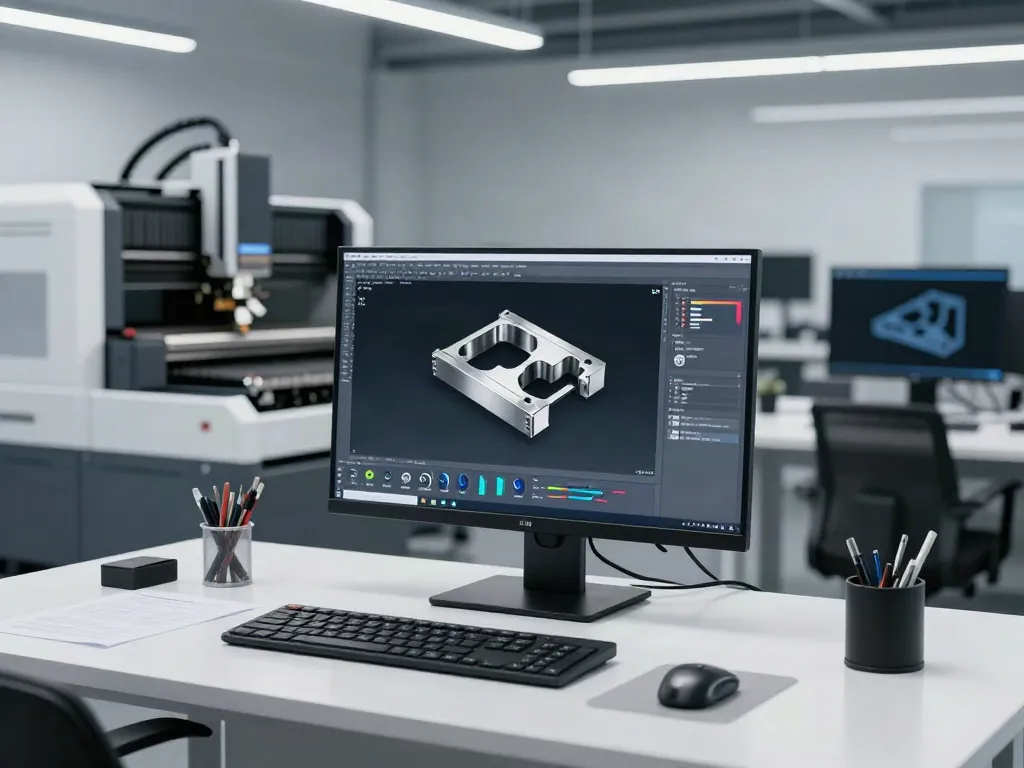
The integration of CAD (Computer-Aided Design) and CAM (Computer-Aided Manufacturing) software is critical in manufacturing custom parts. CAD enables designers to create accurate 3D models, which can be seamlessly transferred to CAM systems for machine control. This technological pairing not only enhances the accuracy of the parts but also streamlines the production process, allowing for rapid prototyping and adjustments to designs based on client feedback.
2. Innovations in CNC Machinery for Complex Shapes
Advancements in CNC machinery have led to the ability to create increasingly complex shapes and designs. Multi-axis milling machines can produce intricate details that were difficult or impossible to achieve with traditional methods. This flexibility in design is especially beneficial in industries like automotive or aerospace, where aerodynamic shapes are crucial.
3. Reducing Lead Times through Automation
The application of automation in CNC machining dramatically reduces lead times. Automated systems can run continuously, minimizing downtime associated with manual labor. This is particularly important for high-volume production runs where efficiency and throughput are essential. Furthermore, automation enhances consistency in quality, as machines ensure uniformity across each part produced.
Applications of Custom Stainless Steel Parts
1. Role in Medical Device Manufacturing
In the medical field, the demand for custom stainless steel parts is exceptionally high. Components like surgical instruments, implants, and diagnostic equipment all require stringent standards for sterility, corrosion resistance, and biocompatibility. CNC machined stainless steel parts provide precision-engineered solutions vital for maintaining high performance in medical environments.
2. Applications in Food Processing Equipment
Stainless steel's hygiene and durability make it ideal in the food processing industry. CNC-customized parts ensure equipment meets the rigorous health standards necessary for food safety. Machines equipped with stainless steel components can withstand harsh cleaning processes without degrading, maintaining operational integrity over time.
3. Use in Chemical Resistance and Durability
In environments where exposure to corrosive substances is inevitable, custom stainless steel parts demonstrate essential properties that ensure reliability. Industries such as petrochemical and pharmaceuticals utilize these components, knowing they can endure extreme conditions while maintaining structural integrity.
Quality Control in CNC Machining
1. Standards and Certifications for Custom Parts
Adherence to industry standards and certifications is critical in manufacturing, especially for custom stainless steel parts. Standards such as ISO 9001 dictate quality management frameworks, ensuring consistent product quality and customer satisfaction. Additionally, certain industries may require compliance with specific regulations like FDA and CE mark certifications for medical devices.
2. Inspection Processes and Methodologies
Quality assurance processes encompass a variety of inspection techniques, including visual inspections, dimensional checks, and functional testing. Advanced metrology instruments like CMM (Coordinate Measuring Machines) and laser scanners are employed to verify the accuracy of custom parts, ensuring they meet exacting specifications.
3. The Importance of On-Time Delivery
In the competitive landscape of custom manufacturing, timely delivery can differentiate companies in the marketplace. Strategies for ensuring on-time delivery include streamlining production processes, maintaining clear communication with clients, and investing in robust supply chain management practices.
The Future of Custom Stainless Steel Parts Industry
1. Trends Shaping Manufacturing in 2026
As we look toward 2026, we anticipate several trends shaping the custom stainless steel parts industry. Increasing demand for lightweight materials and improved manufacturing technologies will drive innovation and sustainability efforts. The focus will extend beyond the materials used to the entire lifecycle, from design and production to recycling and waste management.
2. Integration of AI and Machine Learning
The incorporation of artificial intelligence (AI) and machine learning in CNC machining has the potential to revolutionize operations. These technologies can optimize machining parameters, predict equipment failures, and enable predictive maintenance. Utilizing AI algorithms, manufacturers can also analyze production data to enhance decision-making processes and improve operational efficiency.
3. Sustainability and Environmental Considerations
In an era of increasing environmental awareness, sustainability will play a central role in the future of manufacturing. The focus on eco-friendly practices will expand, encouraging manufacturers to explore alternatives such as recyclable materials and energy-efficient machinery. The goal will be to reduce carbon footprints and promote sustainability without compromising quality and performance.
FAQs about Custom Stainless Steel Parts
1. What are the benefits of using stainless steel for custom parts?
Stainless steel offers several advantages, including exceptional corrosion resistance, high tensile strength, and durability. These properties make it an ideal choice for various applications, especially in harsh environments.
2. How long does it take to produce custom stainless steel components?
The production time for custom stainless steel components can vary based on design complexity, material availability, and machining capabilities. Generally, well-optimized processes can reduce lead times significantly, often ranging from a few days to several weeks.
3. What industries commonly use custom stainless steel parts?
Custom stainless steel parts find applications across multiple industries, including medical, food processing, aerospace, automotive, and chemical industries. Their unique properties make them indispensable in high-performance environments.