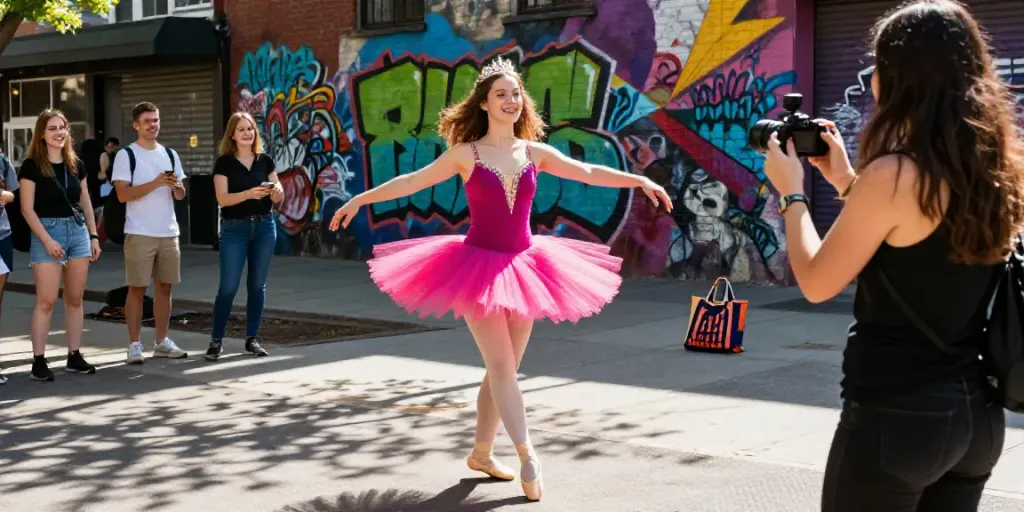
Understanding the Tutu: Types and Styles
A tutu is not just a costume; it's an integral part of the world of dance, particularly ballet. This iconic garment has evolved significantly over the years, coming in various styles and forms that cater to different performances, body types, and personal aesthetics. Whether you're a dancer, a parent of a budding ballerina, or simply a fashion enthusiast curious about this classic attire, understanding the intricacies of tutus is essential. When exploring options, tutu-store.com provides comprehensive insights that can guide your choices.
What is a Tutu?
The tutu is a short, frilled skirt that is most commonly associated with ballet dancing. Traditionally made from layers of tulle—the fine, lightweight fabric that gives it structure—a tutu is designed to allow freedom of movement while maintaining a form that enhances the dancer's lines. It has a unique construction that includes a fitted bodice and a voluminous skirt, making it a staple in a dancer's wardrobe.
Different Types of Tutus Explained
There are several types of tutus, each serving a specific function in dance performances:
- Classical Tutu: Characterized by its bell shape and short length, this tutu is often seen in traditional ballet productions.
- Italian Tutu: Longer than the classical tutu, it has a more structured appearance due to additional layers and is commonly used for contemporary performances.
- Romantic Tutu: Typically knee-length, this softer style features a flowing silhouette, perfect for lyrical and modern ballet.
- Character Tutu: A fun, often colorful representation that allows dancers to embody characters in performances, using various fabrics and styles.
Choosing the Right Style for Your Needs
Selecting the right tutu depends on several factors including the type of dance, the performer's body type, and personal style preferences. It's essential to consider not only the aesthetic but also the level of comfort and movement required for the specific dance style.
Key Features to Look for in a Quality Tutu
Material and Fabric Choices
The fabric used in a tutu can greatly affect both its appearance and functionality. High-quality tutus are typically made from durable materials like silk or nylon tulle that can withstand the rigors of dance. Additionally, a lining made from breathable fabrics contributes to comfort during performances.
Importance of Fit and Comfort
Fit is crucial when it comes to tutus. A well-fitted tutu allows for greater freedom of movement and keeps the garment in place during performances. It's advisable to try on several styles and sizes to find the best match, as each dancer's physique is unique.
Durability and Care Instructions
Investing in a quality tutu means considering how to care for it to ensure longevity. Most tutus require gentle washing or even professional cleaning to maintain their shape and color. Always check care labels and follow instructions for cleaning and storage.
Accessorizing Your Tutu Outfit
Essential Accessories to Complement Your Tutu
To enhance the overall look of a tutu, consider pairing it with accessories such as:
- Ballet Slippers: A vital component of any ballet outfit, they should match or complement the tutu.
- Leggings or Tights: Depending on the style, these can provide additional coverage while contributing to the overall appearance.
- Hair Accessories: Bows, headbands, or hairpins can add a personal touch and help keep the hair styled neatly during performances.
How to Style Your Tutu for Different Occasions
Tutus can be versatile beyond the ballet stage. For casual events, consider styling a tutu with a simple tank top and sneakers. For formal occasions, a fitted blouse paired with elegant flats can create a balanced look.
Tips for Combining Colors and Textures
When accessorizing, think about color combinations and textures. A pastel tutu can be beautifully accented with bright accessories, while a bold-colored tutu can be toned down with neutral shades. Layering textures, such as pairing a tulle tutu with lace or denim, can also create visually appealing outfits.
Where to Buy: Top Places for Tutu Shopping
Comparing Online Stores: tutu-store.com vs. Competitors
When shopping for a tutu online, it's essential to compare various retailers. While tutu-store.com offers a wide selection of products suitable for various occasions, competitors like Tutu Du Monde and The Tutu Shop France also provide unique options that might appeal to different styles and preferences. Always consider shipping costs, return policies, and customer reviews when making your choice.
What to Consider When Shopping Online
Shopping online can be a satisfying experience if you know what to look for. Ensure you check:
- Size guides and fitting options
- Material descriptions for quality assurance
- Return policies in case the item does not meet expectations
Finding Local Shops and Boutiques
While online shopping is convenient, visiting local shops can provide the advantage of trying on tutus for the perfect fit. Local dance boutiques often carry a curated selection of tutus and can offer personalized advice based on your specific needs.
Future Trends in Tutu Fashion (2026 and Beyond)
Emerging Styles and Innovations
The fashion industry, including dancewear, continuously evolves. As we approach 2026, expect to see more innovative designs that incorporate technology, such as LED lighting and sustainable materials, which are becoming increasingly popular among eco-conscious consumers.
Influencer Impact on Tutu Trends
Social media influencers are shaping the future of tutu fashion. With many dancers and fashion enthusiasts showcasing their looks online, trends can quickly shift, highlighting the importance of staying current with social media culture.
Eco-Friendly Tutu Materials and Practices
In response to the growing demand for sustainability, manufacturers are now offering eco-friendly tutu options made from recycled materials or organic fabrics. These innovations not only appeal to the environmentally conscious but also provide unique aesthetic options for performers.
What Are the Best Tutu Brands in 2026?
As we look forward to 2026, brands that prioritize innovation, comfort, and sustainability are likely to stand out. Companies that have always focused on these aspects, such as Capezio and Bloch, are preparing to meet new consumer demands with their upcoming collections.
How to Care for Your Tutu to Ensure Longevity?
Maintaining your tutu's appearance and structure requires careful attention. Make sure to store your tutu in a cool, dry location, preferably placed flat or hanging to avoid creasing. Regularly check for any signs of wear and tear, and address them promptly to prolong the life of your garment.
Are Custom Tutus Worth the Investment?
Custom tutus can be a worthwhile investment, especially for performances tailored to specific themes or characters. While they may be more costly than off-the-shelf options, the unique fit and design can enhance a dancer's performance and presence on stage.
What are the Best Tips for Tutu Maintenance?
To keep your tutu looking its best:
- Follow care label instructions for washing
- Hang to dry to maintain its form
- Use a fabric freshener to keep it smelling pleasant
How to Choose the Right Tutu for Your Dance Style?
Consider the requirements of your specific dance style. For classical ballet, a traditional tutu may be ideal, while contemporary dancers may opt for a more flexible, flowing design. Always prioritize comfort, as well as style, when making your decision.
What are Popular Occasions for Tutu Wear?
Tutus are not confined to the ballet stage; they are worn for various occasions, including:
- Birthday parties and celebrations
- Themed events and costume parties
- Photoshoots and performances
How to Measure Your Tutu Size Correctly?
To ensure a proper fit, measure the waist where the tutu will sit and determine the length needed based on style preferences. Always refer to the specific size guide provided by the brand for the most accurate fit.